What you need to know about CO2 laser for skin rejuvenation
CO2 fractional laser technology is widely used for skin rejuvenation, offering impressive results in addressing various signs of aging and improving overall skin texture. Here are more details about how CO2 lasers work for skin rejuvenation:
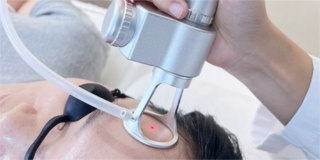
1. Targeted Treatment:
CO2 fractional lasers work by emitting a wavelength of light that is absorbed by water in the skin cells. The laser energy is delivered in a fractionated manner, creating micro-injuries in the skin. This targeted approach allows for precise treatment of specific areas, promoting controlled skin renewal.
2. Collagen Stimulation:
One of the key mechanisms behind CO2 laser skin rejuvenation is the stimulation of collagen production. Collagen is a protein that provides structure and elasticity to the skin. As the laser energy penetrates the skin, it triggers the body's natural healing response, leading to the production of new collagen. This process helps to improve skin firmness, texture, and overall youthfulness.
3. Treatment Areas:
CO2 lasers can be used for rejuvenation on various areas of the face, neck, and décolletage. Common concerns addressed include: Fine Lines and Wrinkles: The laser helps to reduce the appearance of fine lines and wrinkles, particularly around the eyes, mouth, and forehead.
Sun Damage: CO2 lasers are effective in addressing sunspots, pigmentation irregularities, and other signs of sun damage.
Uneven Skin Tone and Texture: The fractional nature of the laser treatment allows for the improvement of overall skin texture, reducing roughness and unevenness.
Skin Laxity: Collagen stimulation contributes to improved skin elasticity and a more lifted appearance.
4. Customizable Treatment Parameters:
Practitioners can customize the intensity, density, and depth of the laser treatment based on the specific needs and concerns of each patient. This flexibility allows for a tailored approach to address individual skin conditions.
5. Downtime and Recovery:
CO2 laser treatments for skin rejuvenation typically involve some downtime. Patients may experience redness, swelling, and peeling as the skin undergoes the healing process. However, the fractional nature of the treatment allows for a faster recovery compared to traditional non-fractional CO2 lasers.
6. Number of Sessions:
The number of sessions required for optimal results can vary depending on the severity of the skin concerns and the desired outcomes. While some patients may see noticeable improvements after a single session, a series of treatments is often recommended for optimal results.
7. Long-lasting Results:
CO2 laser skin rejuvenation can provide long-lasting results. The collagen remodeling that occurs during and after the treatment continues to improve the skin's appearance over time. However, ongoing maintenance treatments may be recommended to sustain the benefits.
8. Patient Selection:
CO2 fractional laser treatments for skin rejuvenation are suitable for a broad range of skin types. However, a thorough assessment by a qualified practitioner is essential to determine the most appropriate treatment plan for each patient.
Before offering CO2 laser treatments for skin rejuvenation, practitioners should undergo comprehensive training to ensure a thorough understanding of the technology and its application, as well as the ability to manage potential side effects effectively.
Tags:CO2 laser, Skin rejuvenation